
[ad_1]
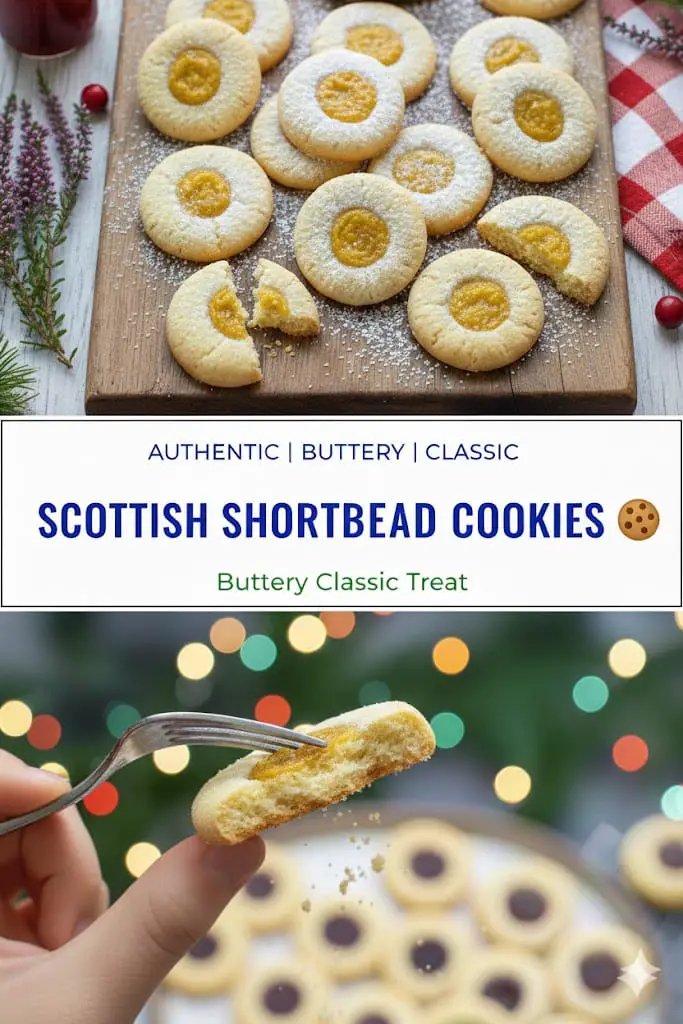
Scottish shortbread cookies are a hallmark of Scottish baking and a true classic loved worldwide. Known for their rich, buttery flavor, crumbly texture, and simplicity, these cookies have been a part of Scottish tradition for centuries. Perfect for holidays, gifting, or enjoying with a cup of tea, Scottish shortbread is one of those treats that makes any occasion feel special.
Shortbread may look simple, but its elegance lies in its ingredients: butter, sugar, and flour. These humble components combine to create a cookie that melts in your mouth, offering a subtly sweet flavor that pairs perfectly with coffee, tea, or hot chocolate.
In this ultimate guide, we’ll explore everything you need to know about Scottish shortbread cookies, including the history, step-by-step instructions, expert baking tips, flavor variations, storage advice, and answers to common baking questions.
A Brief History of Scottish Shortbread
Shortbread has a rich history in Scotland, dating back to the medieval period. Originally, it was made from leftover bread dough enriched with sugar and butter, evolving over time into the delicate cookies we know today.
During the 16th century, Mary, Queen of Scots, is said to have enjoyed shortbread as a festive treat. The name “shortbread” comes from the term “short,” which refers to the crumbly texture created by the high fat content in the dough.
Traditionally, Scottish shortbread was associated with holidays and celebrations, particularly Christmas and Hogmanay (Scottish New Year). Over time, it became a symbol of hospitality and a beloved everyday treat.
Why Scottish Shortbread Cookies Are Loved
There are many reasons Scottish shortbread remains a favorite around the world:
- Buttery & rich: The high butter content gives a melt-in-your-mouth texture that is unmatched.
- Simple ingredients: Just flour, sugar, and butter make it easy to bake at home.
- Perfect for gifting: Their elegance and durability make them ideal for gift boxes and festive platters.
- Long-lasting: When stored properly, shortbread cookies can stay fresh for weeks.
- Versatile: Can be made in traditional shapes, wedges, fingers, or creatively customized with flavors and toppings.
Ingredients
Classic Shortbread Ingredients
- 1 cup unsalted butter, softened (high-quality for best flavor)
- 1/2 cup granulated sugar
- 1/4 teaspoon salt
- 2 cups all-purpose flour
- 1/2 cup rice flour or cornstarch (optional for extra crumbly texture)
- Optional: 1 teaspoon vanilla or almond extract
Each ingredient plays a crucial role:
- Butter – Provides richness, flavor, and the “short” texture.
- Sugar – Sweetens the cookie without overpowering the butter.
- Flour – Gives structure while keeping the crumb tender.
- Rice flour or cornstarch – Optional but recommended for that ultra-delicate, melt-in-your-mouth texture.
Step-by-Step Instructions
1. Preheat the Oven
Set your oven to 325°F (160°C) and line a baking sheet with parchment paper. Low and slow baking helps maintain the cookie’s pale color and delicate texture.
2. Cream Butter and Sugar
In a large mixing bowl, beat the softened butter and sugar until light and fluffy. Add vanilla or almond extract if using. This creates air pockets in the dough, contributing to a tender texture.
3. Mix in Dry Ingredients
Gradually add the flour, salt, and rice flour or cornstarch. Mix gently until a dough forms. Avoid overmixing, which can make the cookies tough.
4. Shape Cookies
Roll out the dough to approximately 1/4-inch thickness. Cut into rectangles, fingers, circles, or wedges. For a traditional look, prick lightly with a fork.
5. Bake
Bake for 20–25 minutes, just until the edges start to turn lightly golden. Shortbread should remain pale and delicate.
6. Cool
Let the cookies cool completely on a wire rack. Store in an airtight container to preserve freshness.
Expert Tips for Perfect Shortbread
- Use high-quality butter: It makes a significant difference in flavor.
- Handle dough gently: Overworking reduces flakiness.
- Chill dough if necessary: Makes cutting and shaping easier.
- Avoid overbaking: Shortbread should be pale and tender, not browned.
- Optional flavors: A splash of vanilla, almond extract, or citrus zest adds a unique twist.
Variations to Try
1. Chocolate-Dipped Shortbread
Dip one end in melted dark or milk chocolate and let set for a decadent twist.
2. Citrus-Infused
Add lemon or orange zest for a fresh flavor. The subtle citrus brightens the richness of the butter.
3. Nut Topping
Sprinkle finely chopped almonds, pistachios, or hazelnuts on top before baking for added texture and flavor.
4. Mini Shortbread Cookies
Bake small, bite-sized cookies for tea parties or festive trays.
5. Layered Shortbread Bars
Combine with jam layers or chocolate layers for an indulgent dessert bar.
Frequently Asked Questions (FAQs)
Can I Make Gluten-Free Shortbread?
Yes! Substitute all-purpose flour with a 1:1 gluten-free baking flour blend. Adding rice flour enhances texture.
How Long Do Shortbread Cookies Last?
Stored in an airtight container, they can last up to 3–4 weeks. Freezing unbaked dough or baked cookies extends shelf life even further.
Can I Add Flavors?
Absolutely! Vanilla, almond extract, or citrus zest works beautifully. Even spices like cinnamon or cardamom can be added for seasonal variations.
Should I Chill the Dough?
Not always necessary, but if the dough feels too soft to cut or handle, chilling for 15–20 minutes helps.
Can I Make Them Ahead of Time?
Yes, shortbread dough can be made in advance and stored in the fridge for 1–2 days or frozen for up to 2 months.
The Perfect Pairings
Scottish shortbread cookies are versatile and pair well with a variety of drinks:
- Tea: Earl Grey, English Breakfast, or herbal blends
- Coffee: A light roast complements buttery sweetness
- Hot Chocolate: Especially with chocolate-dipped or citrus versions
- Festive Drinks: Mulled cider or eggnog during the holidays
Serving & Presentation Tips
- Serve on a decorative plate for tea parties or holiday gatherings.
- Stack cookies neatly in clear gift boxes with a ribbon for gifting.
- Arrange cookies on a tiered platter with mini chocolates, fruits, or nuts for an elegant presentation.
Healthier Options
While shortbread is indulgent, you can make some tweaks for a lighter version:
- Substitute half the butter with coconut oil (reduces saturated fat slightly).
- Use coconut sugar or fine brown sugar for a deeper flavor and slightly lower glycemic impact.
- Add finely ground oats or almond flour for subtle nutritional benefits.
Fun Facts About Shortbread
- Traditionally, shortbread was made during Christmas and New Year in Scotland.
- The iconic triangular shape symbolizes the three estates of Scotland: church, nobility, and commoners.
- Shortbread is believed to have inspired modern cookies and biscuits around the world, particularly in Europe and North America.
Common Mistakes to Avoid
- Overworking the dough: Makes cookies tough instead of crumbly.
- Baking at too high a temperature: Causes browning instead of the delicate pale golden color.
- Skipping the fork pricks: These help prevent air pockets and maintain traditional appearance.
- Using cold butter: Softened butter blends better and creates a smoother dough.
Storage & Freezing Tips
- Room Temperature: Airtight container, up to 3–4 weeks.
- Freezing Dough: Unbaked dough can be frozen for up to 2 months. Slice or cut shapes before baking.
- Freezing Baked Cookies: Layer with parchment paper in a freezer-safe container for up to 2 months. Thaw at room temperature before serving.
Why Scottish Shortbread Is Timeless
Scottish shortbread cookies have endured centuries for good reason: they’re simple yet luxurious. The buttery flavor and tender, crumbly texture offer a sensory experience unmatched by most cookies. Whether baked for personal enjoyment, shared with friends, or gifted during holidays, shortbread embodies the perfect combination of elegance, tradition, and comfort.
Even novice bakers can create bakery-quality results with minimal ingredients and effort. Its versatility allows endless creativity with flavors, shapes, and presentations.
Final Thoughts
Scottish shortbread cookies are a testament to the beauty of simplicity in baking. Just a few quality ingredients, careful handling, and patience yield a cookie that is buttery, crumbly, and utterly delightful.
Perfect for holidays, gifting, or enjoying with a cup of tea, these cookies will quickly become a favorite in your home. They capture the spirit of Scottish tradition and the joy of homemade baking, making every bite a small celebration 🍪.
Embrace this classic cookie, experiment with variations, and share them with loved ones—the timeless charm of Scottish shortbread never disappoints.
[ad_2]
Source link