
[ad_1]
Comprehensive Outline
| Heading Level | Topic |
|---|---|
| H1 | Cilantro Sauce: The Ultimate Flavor Booster You’ll Love |
| H2 | What Is Cilantro Sauce? |
| H3 | Definition and Basic Concept |
| H3 | Why Cilantro Sauce Stands Out |
| H2 | History and Cultural Background of Cilantro Sauce |
| H3 | Latin American Influences |
| H3 | Middle Eastern and Asian Connections |
| H2 | Core Ingredients Used in Cilantro Sauce |
| H3 | Fresh Herbs and Produce |
| H3 | Liquids, Fats, and Creamy Bases |
| H3 | Seasonings and Flavor Enhancers |
| H2 | Different Types of Cilantro Sauce |
| H3 | Creamy Cilantro Sauce |
| H3 | Oil-Based Cilantro Sauce |
| H3 | Spicy Cilantro Sauce |
| H2 | How to Make Cilantro Sauce at Home |
| H3 | Essential Kitchen Tools |
| H3 | Step-by-Step Homemade Cilantro Sauce Recipe |
| H4 | Adjusting Consistency and Taste |
| H2 | Flavor Profile and Texture Explained |
| H2 | Best Ways to Use Cilantro Sauce in Cooking |
| H3 | Cilantro Sauce for Meat and Seafood |
| H3 | Cilantro Sauce for Vegetarian and Vegan Dishes |
| H3 | Cilantro Sauce as a Dip, Spread, or Dressing |
| H2 | Cilantro Sauce in Global Cuisines |
| H3 | Peruvian-Style Green Sauce |
| H3 | Mexican-Inspired Cilantro Sauce |
| H3 | Fusion and Modern Variations |
| H2 | Health Benefits of Cilantro Sauce |
| H3 | Nutritional Benefits of Cilantro |
| H3 | Healthy Fats and Digestive Support |
| H2 | Common Mistakes to Avoid When Making Cilantro Sauce |
| H2 | Storage, Shelf Life, and Food Safety Tips |
| H2 | FAQs About Cilantro Sauce |
| H2 | Conclusion |
What Is Cilantro Sauce?
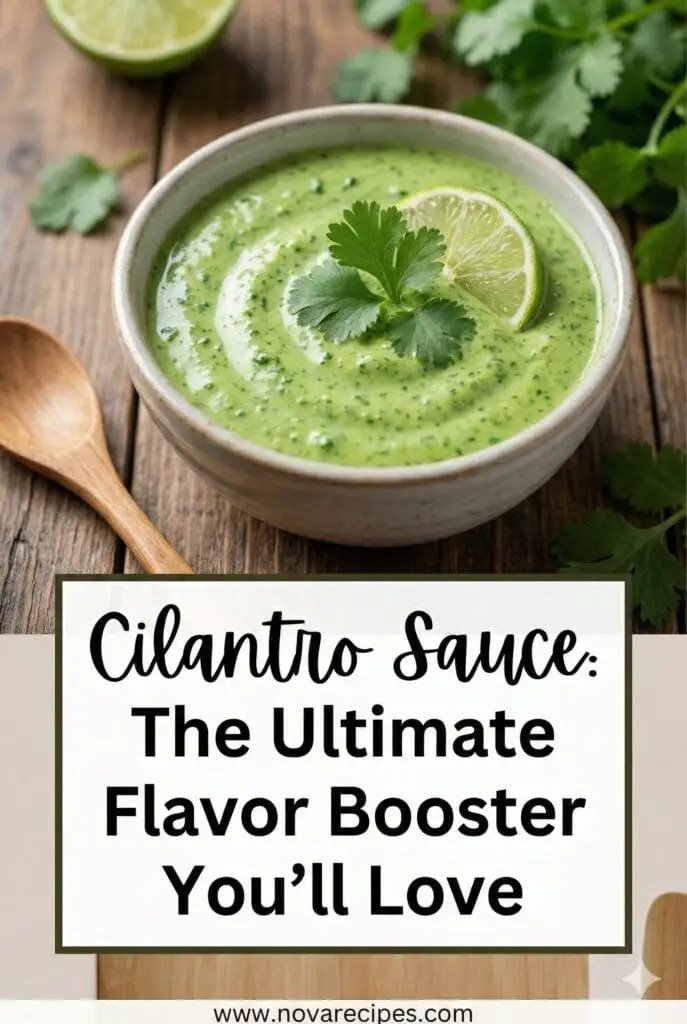
Cilantro sauce is a fresh, green condiment made primarily from cilantro leaves blended with liquids such as oil, citrus juice, yogurt, sour cream, or mayonnaise. It is known for its bold herbal aroma, vibrant color, and refreshing taste. This sauce can be smooth and creamy or light and oil-based, depending on the ingredients used.
What makes cilantro sauce truly special is its versatility. It works as a topping, dip, marinade, or dressing, instantly enhancing the flavor of grilled meats, roasted vegetables, rice dishes, and snacks. Even a small spoonful can transform a plain meal into something exciting.
Definition and Basic Concept
At its core, cilantro sauce balances three elements: freshness, acidity, and fat. The cilantro provides a bright, grassy flavor, citrus juice adds tang, and oil or dairy brings richness. Garlic, chilies, and salt often complete the flavor profile.
Why Cilantro Sauce Stands Out
Unlike heavier sauces, cilantro sauce feels light and refreshing. It cuts through greasy or rich foods, making it ideal for modern cooking where balance and freshness matter.
History and Cultural Background of Cilantro Sauce
Cilantro has been used in cooking for thousands of years, and cilantro-based sauces appear in many cuisines around the world.
Latin American Influences
In countries like Peru, Colombia, and Mexico, cilantro sauce is a staple. Peruvian green sauce, often served with grilled chicken, is one of the most famous examples. Mexican versions frequently include lime juice and jalapeños, creating a zesty and slightly spicy condiment.
Middle Eastern and Asian Connections
Cilantro is also widely used in Middle Eastern and South Asian cooking. While not always labeled as “cilantro sauce,” many chutneys and herb blends rely heavily on cilantro for freshness and aroma.
Core Ingredients Used in Cilantro Sauce

Fresh Herbs and Produce
The star ingredient is fresh cilantro. Both leaves and tender stems are used because they contain a lot of flavor. Other common fresh ingredients include garlic, onion, green onions, and chilies.
Liquids, Fats, and Creamy Bases
Depending on the style, cilantro sauce may use:
- Olive oil or avocado oil
- Yogurt or sour cream
- Mayonnaise
- Avocado
These ingredients control the richness and texture of the sauce.
Seasonings and Flavor Enhancers
Salt is essential, while cumin, pepper, or vinegar may be added for depth. Citrus juice, especially lime, brightens the entire sauce.
Different Types of Cilantro Sauce
Creamy Cilantro Sauce
This version uses yogurt, sour cream, or mayonnaise. It’s smooth, rich, and perfect for dipping or spreading on sandwiches and wraps.
Oil-Based Cilantro Sauce
Lighter and more herbal, this version resembles a dressing or herb oil. It’s ideal for drizzling over vegetables, fish, or grains.
Spicy Cilantro Sauce
Adding jalapeños, serrano peppers, or chili flakes creates a bold, spicy variation that pairs well with tacos and grilled foods.
How to Make Cilantro Sauce at Home

Essential Kitchen Tools
- Blender or food processor
- Cutting board
- Sharp knife
- Measuring cups
Step-by-Step Homemade Cilantro Sauce Recipe
Ingredients:
- 1 packed cup fresh cilantro
- 2 cloves garlic
- 2 tablespoons lime juice
- ½ cup olive oil or yogurt
- Salt to taste
Instructions:
- Wash and roughly chop the cilantro.
- Add all ingredients to a blender.
- Blend until smooth.
- Taste and adjust salt or acidity.
Adjusting Consistency and Taste
Add water to thin the sauce or more citrus juice for extra tang. For richness, blend in avocado or extra yogurt.
Flavor Profile and Texture Explained
Cilantro sauce is fresh, slightly citrusy, and herbal. Creamy versions are smooth and comforting, while oil-based versions are light and aromatic. The sauce should taste balanced, never bitter or overpowering.
Best Ways to Use Cilantro Sauce in Cooking
Cilantro Sauce for Meat and Seafood
It pairs beautifully with grilled chicken, steak, shrimp, and fish. The sauce cuts through richness and enhances natural flavors.
Cilantro Sauce for Vegetarian and Vegan Dishes
Drizzle it over roasted vegetables, lentils, tofu, or grain bowls. It adds flavor without needing heavy seasoning.
Cilantro Sauce as a Dip, Spread, or Dressing
Use it as a dip for fries, a spread for sandwiches, or a salad dressing base. It’s incredibly adaptable.
Cilantro Sauce in Global Cuisines
Peruvian-Style Green Sauce
Often creamy and spicy, served with rotisserie chicken and potatoes.
Mexican-Inspired Cilantro Sauce
Fresh, citrusy, and sometimes chunky, commonly used on tacos and grilled meats.
Fusion and Modern Variations
Chefs now blend cilantro sauce with avocado, coconut milk, or nuts for unique textures and flavors.
Health Benefits of Cilantro Sauce
Nutritional Benefits of Cilantro
Cilantro is rich in vitamins A, C, and K and contains antioxidants that support overall health.
Healthy Fats and Digestive Support
When made with olive oil or yogurt, cilantro sauce provides healthy fats that help absorb nutrients and support digestion.
Common Mistakes to Avoid When Making Cilantro Sauce
- Using old or wilted cilantro
- Over-blending, which can cause bitterness
- Skipping acid, resulting in flat flavor
Storage, Shelf Life, and Food Safety Tips
Store cilantro sauce in an airtight container in the refrigerator for 3–5 days. A thin layer of oil on top helps preserve color. Always use clean utensils to avoid contamination.
FAQs About Cilantro Sauce
1. Can cilantro sauce be made vegan?
Yes, simply use oil or avocado instead of dairy.
2. Does cilantro sauce freeze well?
It can be frozen, but fresh is best for flavor.
3. Why does my cilantro sauce taste bitter?
Over-blending or old cilantro is usually the cause.
4. Can I substitute cilantro with another herb?
Parsley or basil works well for similar texture.
5. Is cilantro sauce spicy by default?
No, spice depends on added chilies.
6. How can I make cilantro sauce thicker?
Add yogurt, avocado, or nuts.
Conclusion
Cilantro sauce is a simple yet powerful addition to any kitchen. Its fresh flavor, easy preparation, and wide range of uses make it a favorite across cultures and cuisines. Whether creamy or light, mild or spicy, cilantro sauce can elevate everyday meals into something memorable.
[ad_2]
Source link