
[ad_1]
Outline
| Heading Level | Section Title |
|---|---|
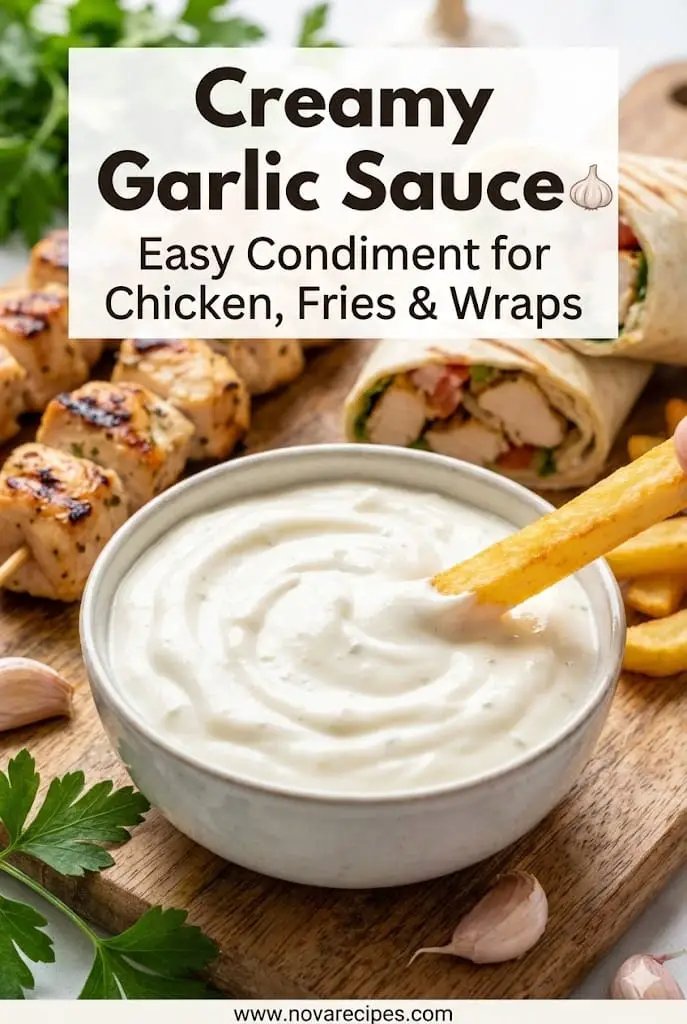
| H1 | Creamy Garlic Sauce 🧄 Easy Condiment for Chicken, Fries & Wraps |
| H2 | Understanding Creamy Garlic Sauce |
| H3 | What Makes Garlic Sauce So Popular |
| H3 | Flavor Profile and Texture Explained |
| H2 | Key Ingredients That Make the Difference |
| H3 | Garlic: Fresh vs Roasted |
| H3 | Creamy Bases and Their Roles |
| H4 | Mayonnaise-Based Options |
| H4 | Yogurt and Sour Cream Alternatives |
| H2 | Step-by-Step Preparation Method |
| H3 | Kitchen Tools You’ll Need |
| H3 | Mixing and Emulsifying Like a Pro |
| H2 | Pairing Ideas for Everyday Meals |
| H3 | Chicken Dishes |
| H3 | Fries, Potatoes, and Snacks |
| H3 | Wraps, Sandwiches, and Burgers |
| H2 | Health, Storage, and Safety Tips |
| H3 | Nutritional Considerations |
| H3 | Proper Storage and Shelf Life |
| H2 | Variations and Creative Twists |
| H3 | Spicy, Herby, and Vegan Versions |
| H2 | Common Mistakes and How to Avoid Them |
| H2 | Frequently Asked Questions |
| H2 | Conclusion |
Understanding Creamy Garlic Sauce
Creamy garlic sauce is one of those kitchen staples that feels both simple and luxurious. It’s smooth, rich, and packed with bold garlic flavor that instantly lifts even the most basic meal. Across many cuisines, from Mediterranean spreads to modern fast-casual dining, this sauce has earned a permanent spot on the table.
What makes it so appealing is balance. The sharpness of garlic blends with a creamy base to create a mellow yet savory taste. It’s comforting, familiar, and endlessly versatile. Whether you’re cooking for a family dinner or prepping quick snacks, this sauce fits right in without demanding fancy skills or rare ingredients.
What Makes Garlic Sauce So Popular
Garlic has been used in cooking for thousands of years due to its strong aroma and deep flavor. When combined with creamy elements, its intensity softens, making it enjoyable for a wide range of palates. This balance explains why garlic-based sauces appear in so many global dishes.
Flavor Profile and Texture Explained
The ideal texture is thick but pourable. It should cling to food without feeling heavy. Flavor-wise, expect a savory punch up front followed by a smooth, slightly tangy finish depending on the base you choose.
Key Ingredients That Make the Difference
Quality ingredients are the backbone of any good sauce. Even though the list is short, each component plays a specific role.
Garlic: Fresh vs Roasted
Fresh garlic delivers a sharp, spicy kick. Roasted garlic, on the other hand, is sweeter and milder. Choosing between them depends on your taste preference. Many home cooks enjoy a blend of both for depth.
Creamy Bases and Their Roles
Mayonnaise-Based Options
Mayonnaise creates a rich, classic consistency. It emulsifies easily and provides a neutral canvas for garlic flavor.
Yogurt and Sour Cream Alternatives
Greek yogurt or sour cream adds tang and lightness. These options are popular for those seeking a slightly healthier or fresher taste.
Step-by-Step Preparation Method
Making this sauce is refreshingly easy. You don’t need special training or advanced tools—just a bit of care and patience.
Kitchen Tools You’ll Need
- Mixing bowl
- Whisk or spoon
- Garlic press or fine grater
- Measuring spoons
Mixing and Emulsifying Like a Pro
Start by mincing the garlic finely to avoid harsh bites. Combine it with your chosen base, add salt, and whisk until smooth. A slow, steady mix helps everything come together evenly.
Pairing Ideas for Everyday Meals
This is where the sauce truly shines. It adapts beautifully to many dishes.
Chicken Dishes
Grilled, roasted, or fried chicken benefits from a creamy garlic dip. It adds moisture and boosts flavor without overpowering the meat.
Fries, Potatoes, and Snacks
Crispy fries and wedges pair perfectly with creamy sauces. The contrast between crunchy and smooth is always satisfying.
Wraps, Sandwiches, and Burgers
Spread it inside wraps or burgers for an instant upgrade. It works especially well with grilled vegetables and meats.
Health, Storage, and Safety Tips
Nutritional Considerations
While creamy sauces can be indulgent, portion control is key. Using yogurt-based versions can reduce fat while keeping flavor intact.
Proper Storage and Shelf Life
Store the sauce in an airtight container in the refrigerator. It typically lasts 3–5 days. Always use clean utensils to avoid contamination.
Variations and Creative Twists
Spicy, Herby, and Vegan Versions
- Add chili flakes or hot sauce for heat
- Mix in fresh herbs like parsley or dill
- Use plant-based mayo for a vegan-friendly option
These small tweaks keep the sauce exciting and adaptable.
Common Mistakes and How to Avoid Them
- Using garlic that’s too coarse can make the sauce harsh
- Over-salting early can throw off balance
- Skipping rest time prevents flavors from melding
Letting the sauce sit for 15–20 minutes improves taste dramatically.
Frequently Asked Questions
Q1: Can I make this sauce ahead of time?
Yes, it actually tastes better after resting in the fridge.
Q2: Is raw garlic safe to use?
Yes, when fresh and properly stored.
Q3: Can I freeze it?
Freezing is not recommended as texture may separate.
Q4: What’s the best base for a lighter version?
Greek yogurt works well.
Q5: How do I reduce garlic sharpness?
Use roasted garlic or soak minced garlic briefly in lemon juice.
Q6: Can kids enjoy this sauce?
Absolutely—just adjust garlic intensity.
Conclusion
Whether you’re cooking for convenience or flavor, Creamy Garlic Sauce 🧄 Easy Condiment for Chicken, Fries & Wraps proves that simple recipes can still feel special. With basic ingredients, flexible variations, and endless pairing options, this sauce earns its place as a reliable kitchen favorite. For more inspiration on classic sauces, you can explore culinary basics at Serious Eats (external resource).
[ad_2]
Source link